 Image 1 of 1
本商品为预售商品,预计将在2025年9月发货。感谢您的理解与耐心等待!
This is a pre-sale item, with an estimated shipping date in September 2025. Thank you for your patience and understanding!
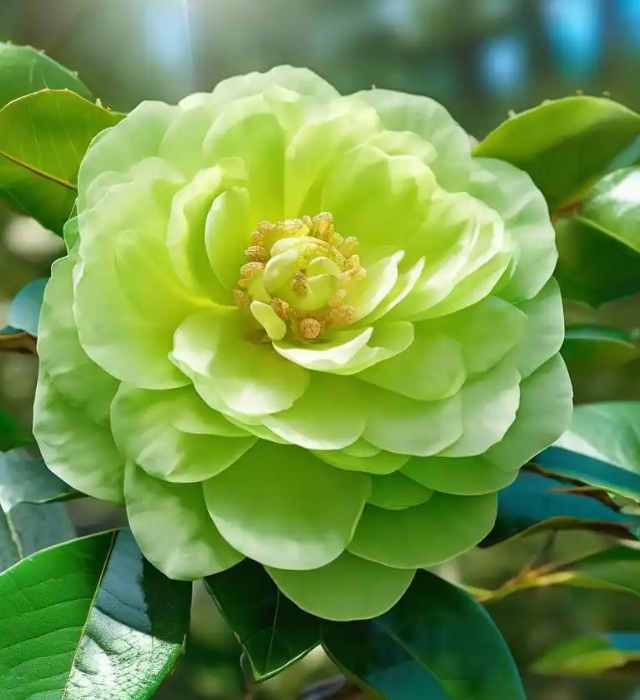
光照 | Light:绿可娜茶花适合在半阴环境中生长,应避免强烈直射阳光,特别是在夏季中午时段。适度光照可促进花芽分化和叶片浓绿。
Green Corona Camellias grow best in partial shade and should be protected from harsh direct sunlight, especially during midday in summer. Proper lighting encourages bud formation and deep green foliage.
温度 | Temperature:最适生长温度为15-25℃,具有一定耐寒性,但严寒天气需注意根部防冻,避免冻伤。
Ideal temperature range is 15–25°C (59–77°F). It has moderate cold tolerance, but cold protection for the roots is necessary during severe winters to prevent frost damage.
土壤 | Soil:喜酸性、富含腐殖质的疏松壤土,pH值宜控制在5.5-6.5之间,避免碱性或板结土壤。
Prefers acidic, humus-rich loose soil with a pH between 5.5 and 6.5. Avoid alkaline or compacted soil conditions.
浇水 | Watering:生长期保持土壤湿润但不积水,花期水分要充足,避免干旱导致花苞脱落。
During the growing period, keep the soil moist but not soggy. Ensure ample watering during flowering to prevent bud drop caused by drought.
定期修剪 | Regular Pruning
花后及时修剪残花和老弱枝,促使新枝健康生长,有利于植株通风透光,提高开花质量。
Prune after flowering to remove spent blooms and weak branches, encouraging healthy new growth. This helps improve air circulation and flower quality.
施肥管理 | Fertilization
在春秋两季施用适量酸性专用肥,有助于枝叶健壮和花蕾形成。夏季适量追肥,冬季避免施肥。
Apply acidic fertilizers in spring and autumn to support vigorous growth and flower bud development. Use supplemental feeding in summer, and avoid fertilizing in winter.
病虫害防治 | Pest and Disease Control
主要病虫害包括茶花炭疽病、蚜虫和红蜘蛛。应定期检查,发现问题及时使用生物或低毒农药处理。
Common pests and diseases include anthracnose, aphids, and red spider mites. Inspect regularly and treat promptly using biological or low-toxicity pesticides.
本商品为预售商品,预计将在2025年9月发货。感谢您的理解与耐心等待!
This is a pre-sale item, with an estimated shipping date in September 2025. Thank you for your patience and understanding!
光照 | Light:绿可娜茶花适合在半阴环境中生长,应避免强烈直射阳光,特别是在夏季中午时段。适度光照可促进花芽分化和叶片浓绿。
Green Corona Camellias grow best in partial shade and should be protected from harsh direct sunlight, especially during midday in summer. Proper lighting encourages bud formation and deep green foliage.
温度 | Temperature:最适生长温度为15-25℃,具有一定耐寒性,但严寒天气需注意根部防冻,避免冻伤。
Ideal temperature range is 15–25°C (59–77°F). It has moderate cold tolerance, but cold protection for the roots is necessary during severe winters to prevent frost damage.
土壤 | Soil:喜酸性、富含腐殖质的疏松壤土,pH值宜控制在5.5-6.5之间,避免碱性或板结土壤。
Prefers acidic, humus-rich loose soil with a pH between 5.5 and 6.5. Avoid alkaline or compacted soil conditions.
浇水 | Watering:生长期保持土壤湿润但不积水,花期水分要充足,避免干旱导致花苞脱落。
During the growing period, keep the soil moist but not soggy. Ensure ample watering during flowering to prevent bud drop caused by drought.
定期修剪 | Regular Pruning
花后及时修剪残花和老弱枝,促使新枝健康生长,有利于植株通风透光,提高开花质量。
Prune after flowering to remove spent blooms and weak branches, encouraging healthy new growth. This helps improve air circulation and flower quality.
施肥管理 | Fertilization
在春秋两季施用适量酸性专用肥,有助于枝叶健壮和花蕾形成。夏季适量追肥,冬季避免施肥。
Apply acidic fertilizers in spring and autumn to support vigorous growth and flower bud development. Use supplemental feeding in summer, and avoid fertilizing in winter.
病虫害防治 | Pest and Disease Control
主要病虫害包括茶花炭疽病、蚜虫和红蜘蛛。应定期检查,发现问题及时使用生物或低毒农药处理。
Common pests and diseases include anthracnose, aphids, and red spider mites. Inspect regularly and treat promptly using biological or low-toxicity pesticides.